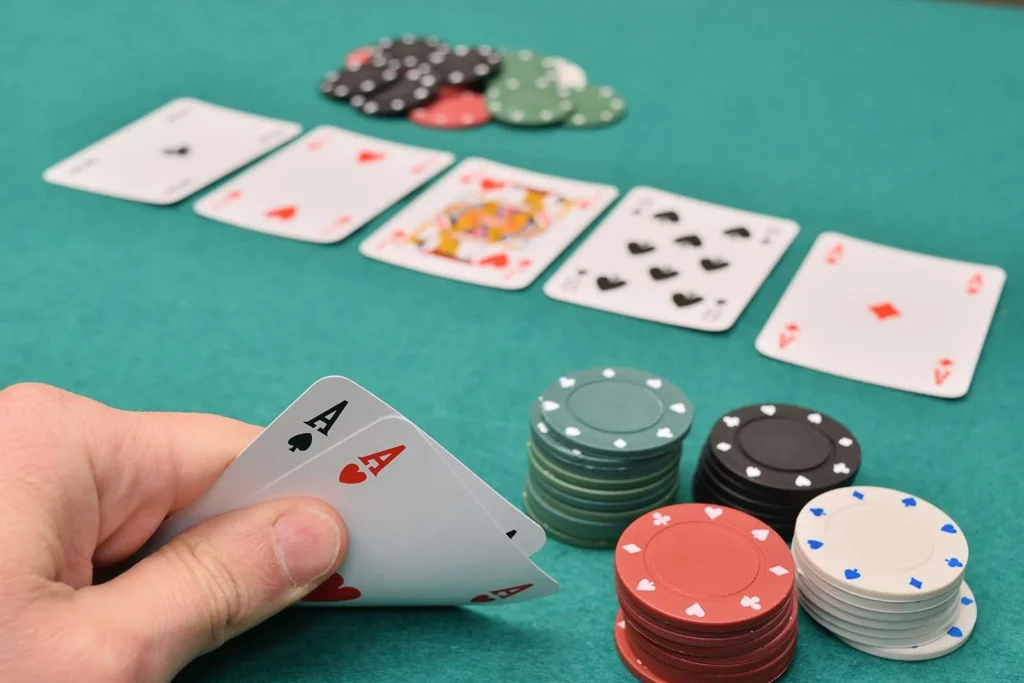

All You Need to Know About Poker
Poker

Introduction
Poker is one of the most popular and widely played card games in the world. With numerous variations, strategies, and guide. It offers a unique blend of skill, psychology, and luck. This article covers the basics of poker, different game types, and essential strategies to enhance your gameplay. Whether you’re a beginner or an experienced player, understanding the fundamentals of poker will help you improve your chances of winning. free 100 new register casino
Understanding Poker
1. The Basics of Poker
Poker is typically played with a standard 52-card deck and involves betting rounds where players can either fold, call, or raise. The objective is to have the best hand or to bluff your opponents into folding. Hands are ranked based on combinations such as pairs, straights, and flushes. Understanding hand rankings and the basic rules is crucial for any poker game.
2. Popular Poker Variations
There are several popular variations of poker, each with its own rules, strategies and guide. The most common include:
- Texas Hold’em: Each player is dealt two private cards, and five community cards are dealt face-up. The best hand is made using any combination of these seven cards.
- Omaha: Similar to Texas Hold’em, but each player is dealt four private cards, and they must use exactly two of them in combination with three of the five community cards.
- Seven-Card Stud: There are no community cards. Each player is dealt seven cards, three face-down and four face-up. The best hand is made from any combination of five cards.
Essential Poker Strategies and Guide
1. Understanding Hand Rankings
Knowing the ranking of poker hands is fundamental to playing the game. The standard poker hand rankings from highest to lowest are:
- Royal Flush
- Straight Flush
- Four of a Kind
- Full House
- Flush
- Straight
- Three of a Kind
- Two Pair
- One Pair
- High Card
Familiarize yourself with these rankings to make informed decisions during the game.
2. Bluffing and Deception
Bluffing is a key aspect of poker and involves making your opponents believe you have a stronger hand than you actually do. Effective bluffing requires understanding your opponents’ tendencies and betting patterns. Practice bluffing in different situations and learn to read your opponents to make your bluffs more convincing.
3. Managing Your Bankroll
Proper bankroll management is essential for long-term success in poker. Set limits on how much you’re willing to spend and stick to them. Avoid chasing losses and be disciplined about when to walk away. By managing your bankroll effectively, you can reduce the risk of significant losses and ensure a more enjoyable gaming experience.
Common Poker Mistakes to Avoid
1. Overvaluing Hands
One common mistake is overvaluing your hand, particularly if it is only a marginal hand. Assess the strength of your hand relative to the board and your opponents’ actions. Avoid committing too many chips to a hand that may not be strong enough to win.
2. Ignoring Position
Your position at the table significantly impacts your strategy. Players in later positions have more information about their opponents’ actions and can make more informed decisions. Utilize your position to your advantage and adjust your strategy accordingly.
3. Playing Too Many Hands
Playing too many hands can lead to losses and poor decision-making. Be selective about the hands you play and focus on quality over quantity. Learn to fold when you have a weak hand and only continue with hands that have a higher probability of winning.
Frequently Asked Questions (FAQs)
1. What is the best poker hand?
The best poker hand is a Royal Flush, which consists of the Ace, King, Queen, Jack, and Ten of the same suit. It is the highest-ranking hand and cannot be beaten.
2. How do I improve my poker skills?
To improve your poker skills, practice regularly, study poker strategies and guide, and review your gameplay to identify areas for improvement. Playing against different opponents and participating in poker forums or training sites can also enhance your skills.
3. What is a “bad beat” in poker?
A “bad beat” occurs when a player with a strong hand loses to an opponent who hits a lucky card on the river or turn. While bad beats are frustrating, they are a natural part of the game and should be managed with a positive attitude.
4. How important is position in poker?
Position is crucial in poker because it determines the order in which players act. Being in a later position provides more information about other players’ actions and allows you to make better decisions. Use your position to your advantage by adjusting your strategy based on your spot at the table.
5. Can poker be played online?
Yes, poker can be played online on various platforms and websites. Online poker offers the same gameplay as live poker, with the added convenience of playing from anywhere. Ensure you choose a reputable online poker site with secure transactions and a wide range of game options.