

How to Play Mahjong: Rules, Strategies, and FAQs
Mahjong Gameplay
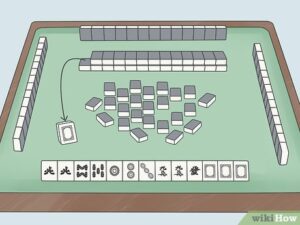
Mahjong tile is a traditional tile-based game that requires skill, strategy, and a bit of luck. The game has several variations, but the basic gameplay remains the same across most regions. This guide will walk you through how to play Mahjong, including understanding the tiles, the basic rules, and some strategic tips to help you become a better player in online casino philippines.
The Basics of Mahjong
Mahjong is usually played with four players and 144 tiles. The aim of the game is to form a complete hand, often consisting of four sets and one pair. Players take turns drawing and discarding tiles to build their hands.
1. The Tile Types
There are three main categories of tiles in Mahjong:
- Suits: The three suits are Bamboo, Characters, and Dots, with each suit numbered from 1 to 9.
- Honor Tiles: These include Wind tiles (East, South, West, North) and Dragon tiles (Red, Green, White).
- Bonus Tiles: These consist of Flower and Season tiles, which are not used in hand-building but can provide bonus points.
2. How to Set Up the Game
Each player starts by drawing 13 tiles. The dealer (East) starts with 14 tiles. The game begins when the dealer discards one tile. From here, players take turns drawing and discarding tiles, aiming to complete a winning hand.
Objective of the Game
The goal in Mahjong is to create a winning hand, which typically consists of:
- 4 Sets: A set can be a Pong (three of a kind), Chow (three consecutive numbers in a suit), or Kong (four of a kind).
- 1 Pair: A pair of matching tiles.
The game continues until a player forms a winning hand or when the wall of tiles is exhausted, resulting in a draw.
3. Drawing and Discarding Tiles
Each player takes turns drawing a tile either from the wall or the discard pile. After drawing, the player must discard one tile, aiming to keep useful tiles for a winning combination.
4. Declaring Mahjong
If a player completes a hand, they declare “Mahjong” and reveal their tiles. The hand is then scored according to the local rules of the game, with points awarded based on the types of sets, the use of Honor tiles, and other factors.
Strategies for Playing Mahjong
Mahjong requires both skill and strategy. Here are some key strategies to help you improve:
1. Focus on Handbuilding
When starting the game, focus on building a hand that consists of potential sets and pairs. Discard tiles that don’t contribute to your hand.
2. Pay Attention to Discards
Watch what your opponents are discarding to identify which tiles they are collecting or avoiding. This can help you make better decisions about your own discards.
3. Avoid Discarding Critical Tiles
Be cautious when discarding Honor tiles or tiles your opponents may need. These tiles can often help opponents complete valuable hands.
4. Adapt to the Game Flow
As the game progresses, adapt your strategy depending on the tiles you draw and what your opponents are collecting. Flexibility is key in Mahjong.
Frequently Asked Questions
1. How many tiles are used in Mahjong tiles?
Traditional Mahjong uses 144 tiles, though the exact number may vary depending on the variation of the game you’re playing.
2. What is a winning hand in Mahjong tiles?
A winning hand in Mahjong typically consists of four sets (Pong, Chow, or Kong) and one pair. The specific requirements may vary depending on the game rules.
3. Can Mahjong tile be played with fewer than four players?
While Mahjong is traditionally played with four players, there are versions and adaptations that allow for fewer players, though it’s less common.
4. What are the different types of sets in Mahjong?
There are three main types of sets in Mahjong: Pong (three of a kind), Chow (a sequence of three tiles), and Kong (four of a kind).
5. What are Honor Tiles in Mahjong?
Honor tiles include Wind tiles (East, South, West, North) and Dragon tiles (Red, Green, White). These tiles often carry special significance in the game.
Mahjong is a game that combines skill, strategy, and a bit of luck. By mastering the basic rules, understanding tile combinations, and practicing key strategies, you can enjoy a rewarding and challenging Mahjong experience.


